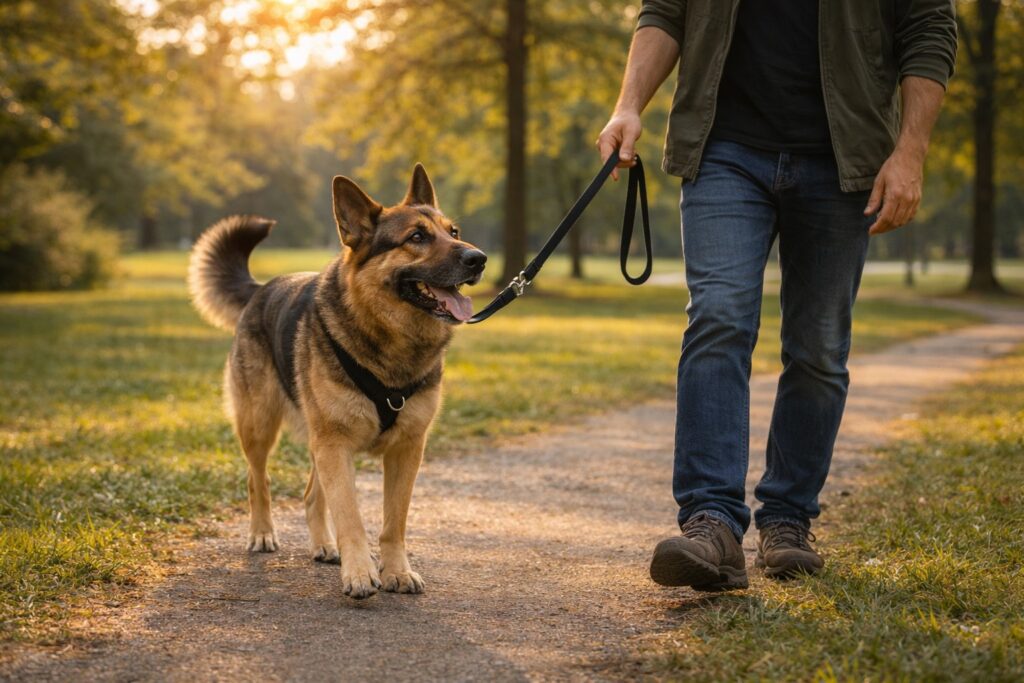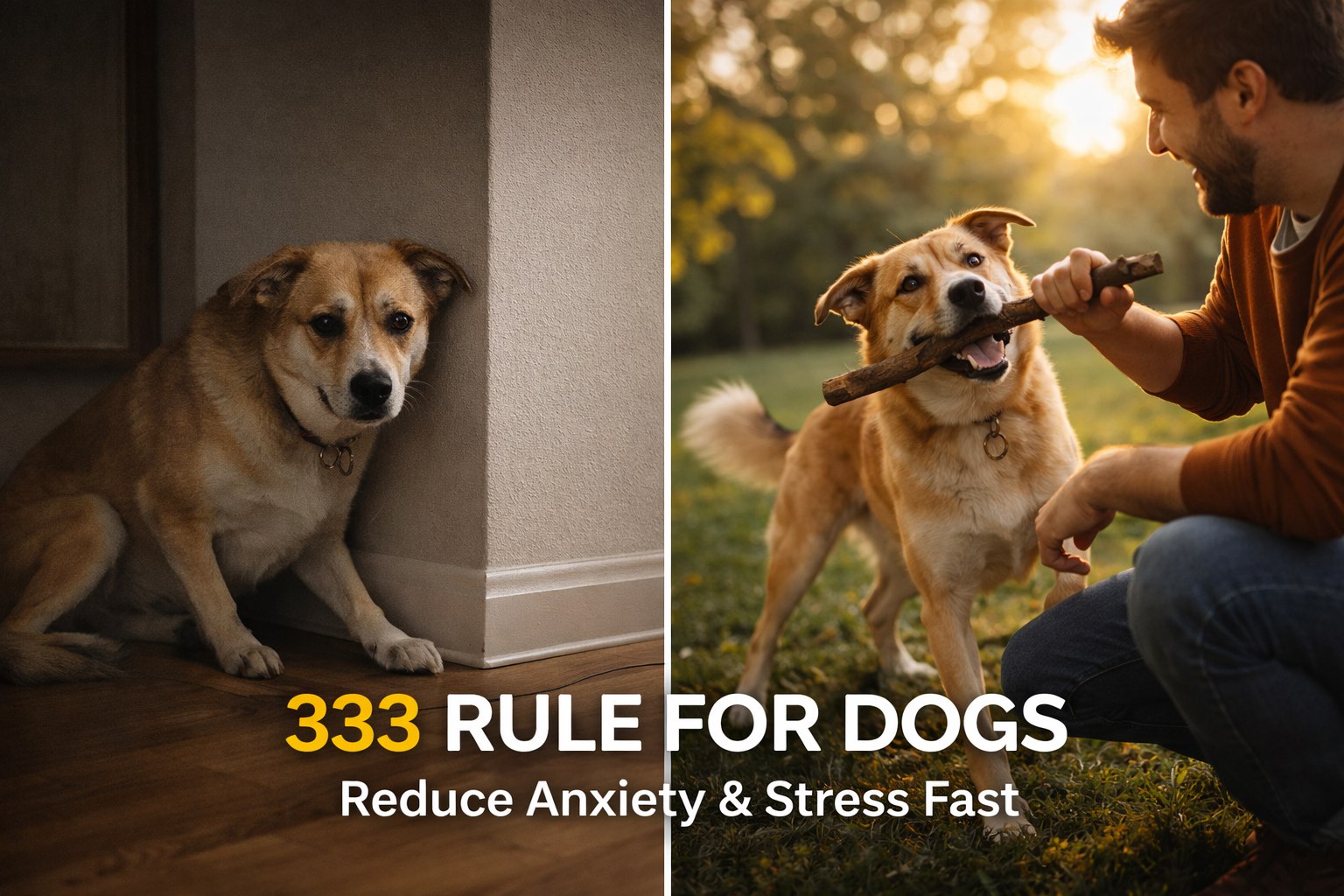
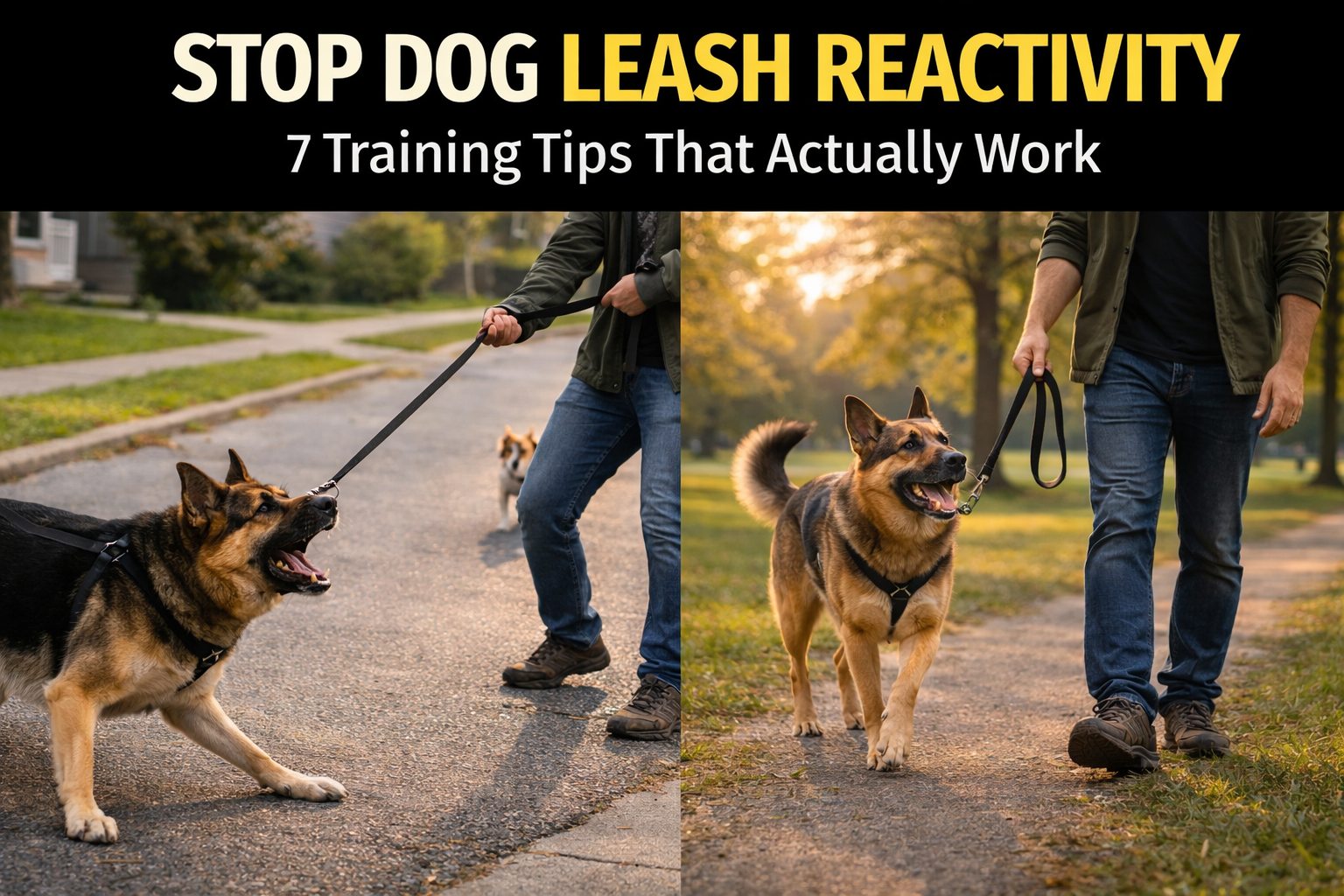
Walking should be one of the best parts of a dog’s day, but Dog Leash reactivity can quickly turn a normal walk into a stressful experience. A dog that barks, lunges, or growls at other dogs or people while on leash is showing a reaction driven by stress, fear, or frustration. Many owners assume their dog is aggressive, but in most cases, the behavior is actually a response to feeling trapped.
Dog Leash reactivity happens because the leash changes how dogs communicate and move around each other. When a dog cannot create distance or approach naturally, tension builds quickly. The result is barking, pulling, and explosive reactions that make walks difficult. The good news is that most reactive behavior can improve with the right training approach.
Many training experts explain that Dog Leash reactivity is usually connected to emotional responses rather than stubborn behavior. When owners understand what triggers the reaction and apply structured training techniques, the dog gradually learns to stay calm and focused during walks. The process requires patience, but practical strategies can make noticeable progress. Before training begins, it helps to understand what it really means and why it develops in the first place.
What Dog Leash Reactivity Really Means (And Why It Happens)
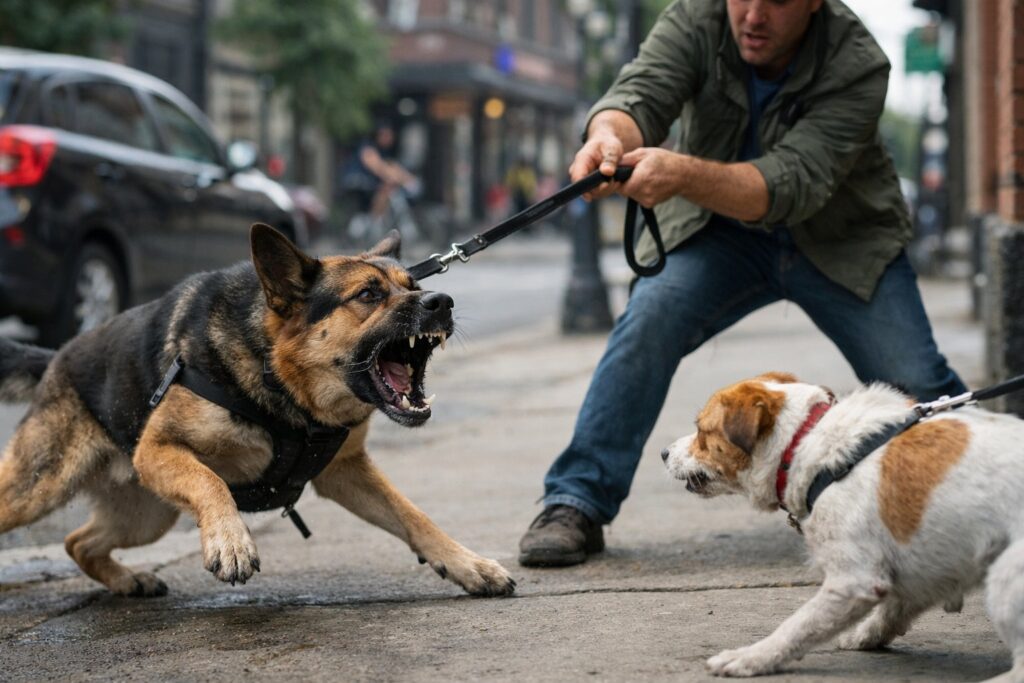
Dog Leash reactivity is a behavior pattern in which a dog overreacts to certain triggers while restrained by a leash. The reaction often includes barking, lunging, whining, or intense staring at another dog, person, or moving object. These responses may appear aggressive, but in many cases, they are driven by fear, anxiety, or frustration.
Many behavior specialists point out that a leash removes a dog’s natural ability to manage distance. In normal off-leash interactions, dogs usually approach each other in curved paths and use subtle body language to communicate. When a leash restricts movement, that communication becomes awkward and stressful.
As tension builds, the dog may react strongly by pushing away the perceived threat. The behavior works in the moment because the trigger eventually leaves, which reinforces the reaction. Over time, the dog learns that barking and lunging successfully create space.
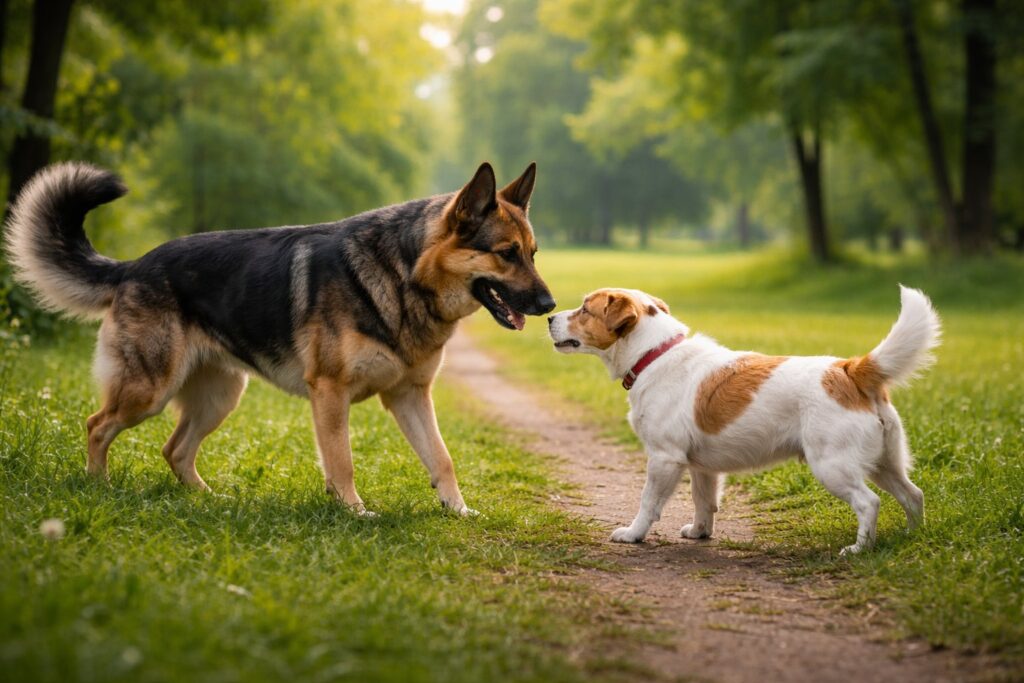
Fear vs. Aggression: Understanding the difference
A common misunderstanding around Dog Leash reactivity is that reactive dogs are automatically aggressive. In reality, most reactive dogs are responding to fear or uncertainty rather than a desire to harm.
Experts often observe that fearful dogs display defensive behaviors designed to increase distance from the trigger. These signals may include barking, growling, stiff posture, or lunging. The goal is not to attack but to make the situation disappear.
True aggression involves intent to cause harm, while Dog Leash reactivity is usually a defensive reaction. Recognizing this difference is important because training focuses on reducing fear and building confidence rather than punishing the dog.
Why do dogs react more intensely on leash than off leash
Many owners notice that their dog behaves normally at dog parks or open areas but reacts strongly during walks. This pattern is common in Dog Leash reactivity.
Several factors explain this difference:
- The leash prevents natural movement and escape
- Tight leash tension increases stress signals
- Dogs feel trapped when another dog approaches
- Direct head-on encounters become unavoidable
When these conditions combine, even a normally friendly dog can react defensively. The leash essentially removes the dog’s ability to handle the situation in a calm and natural way.
Understanding these dynamics helps explain why Dog Leash reactivity develops and why the training approach must focus on changing the dog’s emotional response rather than forcing obedience.
Common Triggers That Cause Dog Leash Reactivity
Every case of Dog Leash reactivity is connected to specific triggers. A trigger is anything that causes the dog to become overly alert, stressed, or defensive during a walk. Once the trigger appears, the dog’s emotional state shifts quickly from calm to reactive.
Behavior specialists often explain that the trigger itself is not always the real problem. The reaction usually happens because the dog associates that trigger with fear, frustration, or past negative experiences. When the same situation repeats during walks, the reaction becomes stronger over time.
Recognizing triggers is one of the most important steps in managing Dog Leash reactivity. Once the owner understands what causes the reaction, training can begin in a controlled and predictable way.
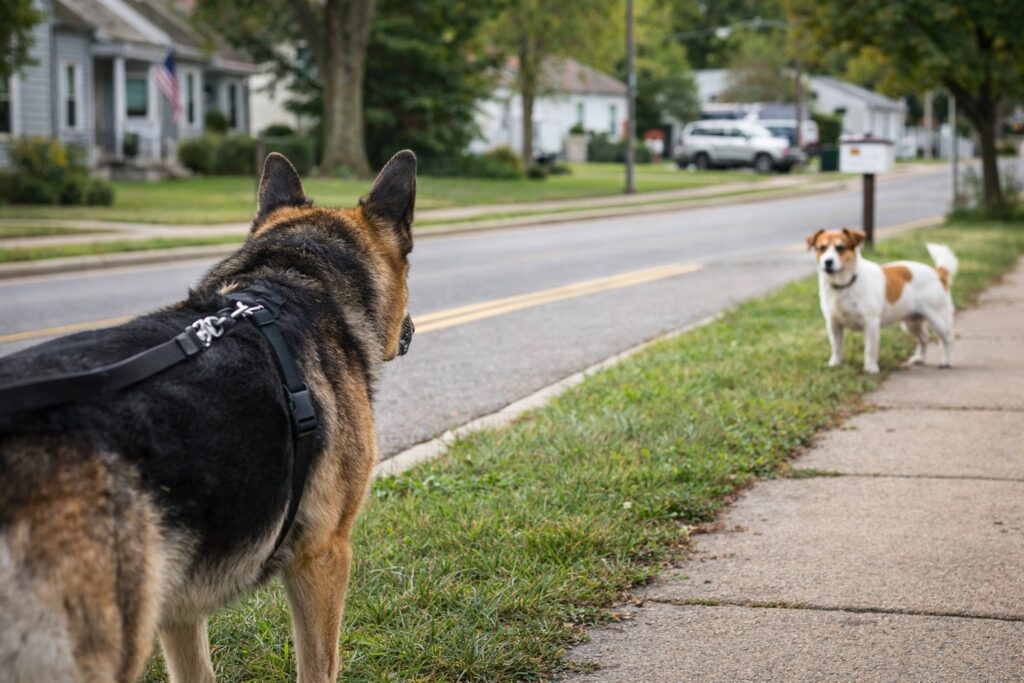
Other dogs
Other dogs are the most common trigger for Dog Leash reactivity. When two dogs approach each other on a narrow sidewalk, both animals may feel trapped. They cannot move freely or communicate naturally, which increases tension.
Many reactive dogs begin by staring intensely at the other dog. If the distance closes too quickly, barking and lunging often follow. The reaction is usually an attempt to create space and push the other dog away.
Past negative experiences can also strengthen this trigger. A dog that has been attacked or frightened by another dog may react defensively whenever a similar situation appears.
Strangers and unfamiliar people
Some dogs show Dog Leash reactivity toward people rather than other animals. Certain appearances or behaviors may trigger the reaction more easily. For example, dogs may react to individuals wearing hats, carrying bags, running, or approaching quickly.
Dogs that did not receive enough early socialization are more likely to feel uncomfortable around unfamiliar people. When the leash prevents them from moving away, barking and lunging may become their way of handling the situation.
Fear-based reactions are especially common when strangers approach directly or attempt to interact with the dog without giving space.
Environmental stress and crowded spaces
Busy environments can also trigger Dog Leash reactivity. Areas with many dogs, loud noises, bicycles, or unpredictable movement create sensory overload for some dogs.
Crowded sidewalks, apartment hallways, and dog parks often increase stress because the dog cannot maintain a comfortable distance from potential triggers. The combination of noise, movement, and leash restriction may cause reactions even in dogs that behave calmly in quieter environments.
In many cases, reactive behavior becomes stronger when several triggers appear during the same walk. This situation is sometimes called trigger stacking, where multiple stressful events accumulate and lower the dog’s tolerance level.
Understanding the specific triggers that cause Dog Leash reactivity helps owners design safer training sessions and avoid situations that push the dog beyond their comfort level.
Why Punishment Makes Dog Leash Reactivity Worse
When dealing with Dog Leash reactivity, many owners instinctively try to correct the behavior with leash jerks, yelling, or verbal reprimands. While this response is understandable in a stressful moment, punishment often makes the underlying problem worse rather than better.
Reactive behavior usually comes from fear, stress, or frustration. When punishment is added to that emotional state, the dog begins to associate the trigger with even more negative experiences. Instead of learning to stay calm, the dog may become more anxious and reactive during future walks.
Training professionals widely agree that improving Dog Leash reactivity requires changing the dog’s emotional response to triggers rather than suppressing the outward behavior.
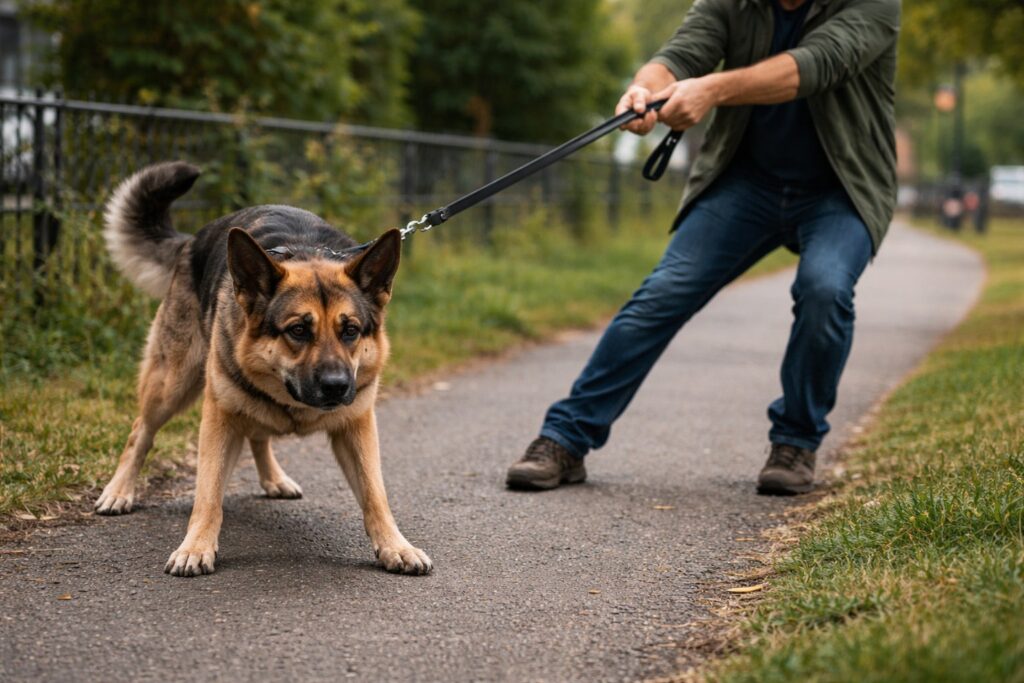
The problem with leash corrections and yelling
Correcting a dog during a reactive episode can unintentionally reinforce the behavior cycle. When a dog sees another dog and immediately receives a harsh correction, they may interpret the situation as confirmation that the trigger truly is threatening.
Over time, the presence of other dogs or people becomes linked to stress and punishment. This association can intensify Dog Leash reactivity, making reactions stronger and more frequent.
Leash tension itself also plays a role. Dogs are highly sensitive to the emotional state of the person holding the leash. When the handler tightens the leash or becomes tense, the dog may interpret this as a signal that something dangerous is nearby.
How punishment increases anxiety and aggression
Another risk of punishment is that it may suppress warning signals rather than solve the problem. Growling or barking often serves as a communication signal that the dog feels uncomfortable. If these signals are punished repeatedly, the dog may skip them entirely and move directly to more serious reactions.
This can increase the chance of unpredictable aggression because the early warning signs disappear. Instead of learning emotional control, the dog simply becomes more stressed.
Reducing Dog Leash reactivity requires a different approach. Training methods that reward calm behavior and gradually change the dog’s emotional response to triggers tend to produce more stable and lasting results.
The next section focuses on those practical solutions and explains the most effective techniques experts use to improve Dog Leash reactivity.
7 Expert Training Tips to Fix Dog Leash Reactivity
Improving Dog Leash reactivity requires a structured approach rather than random corrections during stressful moments. The goal of training is to change how the dog emotionally responds to triggers while teaching them to focus on the handler instead of reacting.
Behavior specialists often emphasize that progress comes from small, consistent improvements rather than dramatic overnight changes. When training sessions remain controlled and predictable, dogs gradually learn that encountering triggers during walks does not require a defensive reaction.
The following expert-backed strategies are commonly used to reduce Dog Leash reactivity and help dogs remain calmer in real-world walking situations.
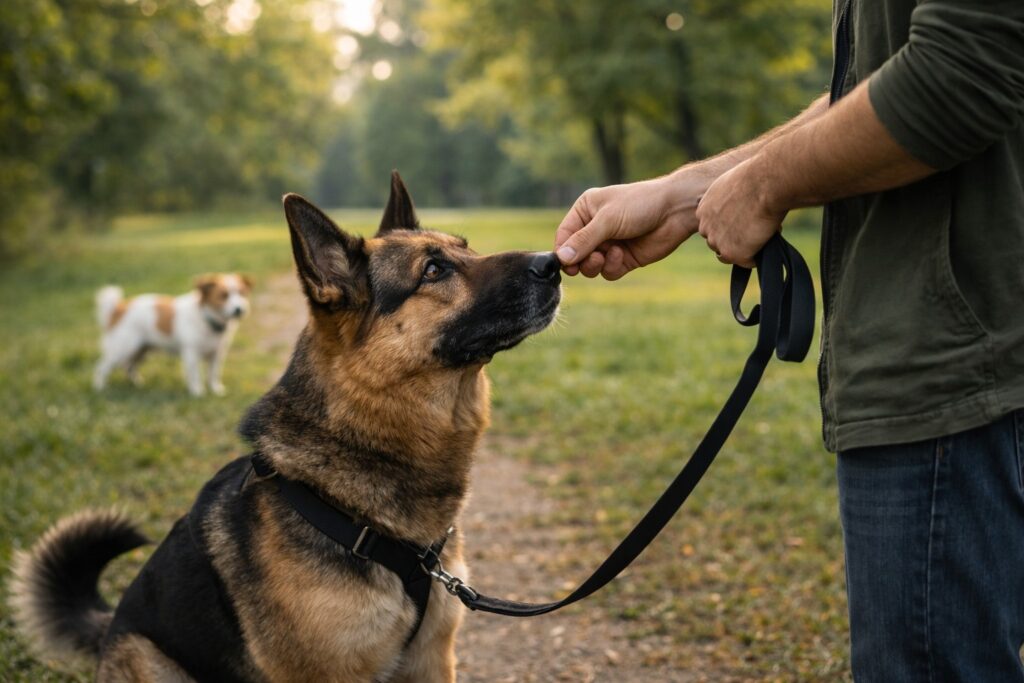
1. Identify your dog’s triggers
The first step in fixing Dog Leash reactivity is understanding what causes the reaction. Some dogs react mainly to other dogs, while others react to strangers, bicycles, or fast-moving objects.
Carefully observe your dog during walks and note the situations where reactions occur. When triggers become clear, training can focus on controlled exposure instead of unpredictable encounters.
2. Maintain a safe distance from triggers
Distance plays a critical role when managing Dog Leash reactivity. If a trigger gets too close too quickly, the dog may cross their stress threshold and react.
Training should begin far enough away that the dog notices the trigger but remains calm. This distance allows the dog to observe the situation without feeling trapped or overwhelmed.
Gradually reducing distance over time helps build confidence.
3. Use positive reinforcement and counter-conditioning
Counter-conditioning is one of the most effective techniques for reducing Dog Leash reactivity. The idea is simple: whenever a trigger appears, something positive happens for the dog.
Offer treats, praise, or play when the dog notices another dog or person but stays calm. Over time, the dog begins to associate the trigger with positive outcomes instead of fear.
This emotional shift is essential for long-term behavior change.
4. Redirect attention before the reaction starts
Reactive behavior usually follows a pattern. The dog sees a trigger, focuses intensely, and then reacts.
Interrupting this pattern early can prevent the reaction. When your dog first notices the trigger, redirect attention using a cue, treat, or change in walking direction.
This teaches the dog to check in with you instead of reacting.
5. Keep the leash relaxed
Leash tension can unintentionally increase Dog Leash reactivity. When the leash becomes tight, many dogs interpret it as a signal that something is wrong.
Keeping the leash relaxed whenever possible helps maintain calm communication between the dog and the handler. A loose leash also makes it easier to redirect attention and move away from triggers smoothly.
6. Train engagement during walks
Dogs that stay mentally connected with their handler are less likely to become reactive. Engagement exercises encourage the dog to focus on the person holding the leash rather than scanning the environment for triggers.
Rewarding eye contact, practicing short cues, or changing walking direction can strengthen this connection. Over time, the dog naturally looks to the handler for guidance instead of reacting.
7. Stay consistent with structured training
Consistency is the key to improving Dog Leash reactivity. Dogs learn through repeated experiences, so calm encounters must happen regularly for new behavior patterns to develop.
Short and structured training walks usually produce better results than unpredictable outings. With patience and consistent practice, many dogs gradually become calmer and more confident during walks.
Mistakes That Make Dog Leash Reactivity Worse
While many owners try hard to fix the problem, certain habits can unintentionally make Dog Leash reactivity worse. These mistakes often happen because people react quickly in stressful situations without realizing how dogs interpret those actions.
Understanding these common errors is important because repeated mistakes can strengthen reactive behavior instead of reducing it. Avoiding these patterns helps create a calmer learning environment for the dog and supports long-term improvement.
Allowing direct leash greetings
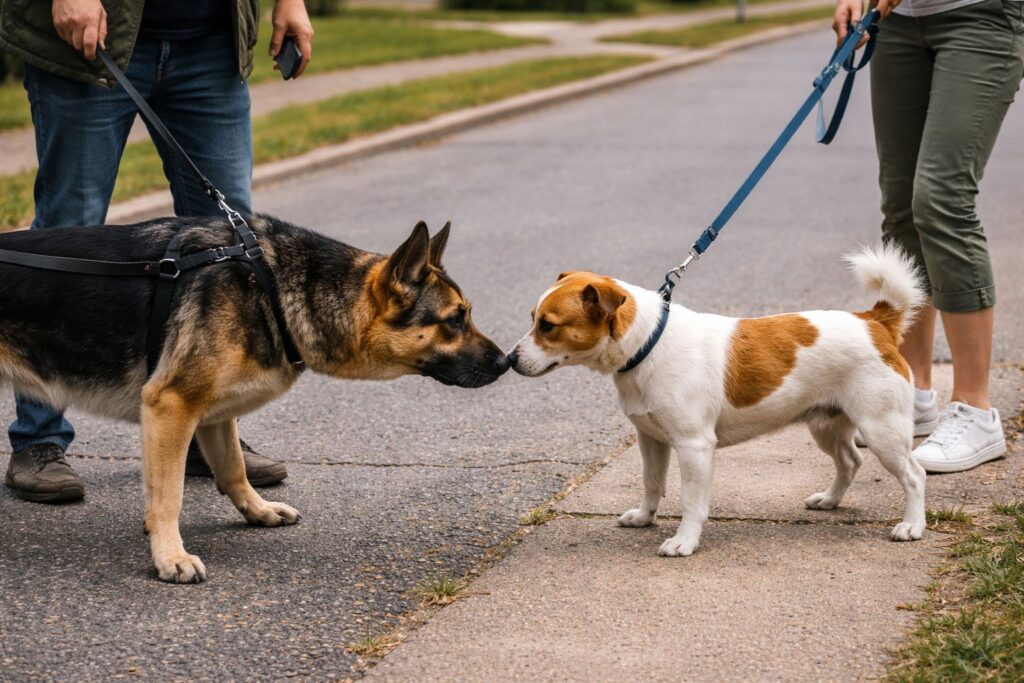
Many people assume dogs should greet each other during walks, but forced interactions can increase Dog Leash reactivity. When two dogs approach head-on while restrained by a leash, both animals may feel trapped and uncomfortable.
Natural dog greetings usually happen from the side with curved body movement. A leash often prevents this type of communication. Allowing dogs to greet directly while on leash can therefore create tension and trigger barking or lunging.
In many situations, it is better to calmly walk past other dogs and reward the dog for staying relaxed.
Moving too close too quickly
Another common mistake occurs when owners push training too fast. If a dog is exposed to triggers at a distance that feels overwhelming, the dog may react before learning can take place.
Progress with Dog Leash reactivity should happen gradually. Increasing distance when the dog becomes stressed allows the dog to regain emotional control and continue learning.
Rushing the process can lead to repeated reactive episodes that reinforce the behavior.
Ignoring early stress signals
Dogs usually display warning signals before barking or lunging. These signals include stiff posture, intense staring, or freezing during the walk. When these signs go unnoticed, the situation may escalate quickly.
Recognizing these early signals allows the owner to redirect the dog or move away before Dog Leash reactivity fully develops. Early intervention prevents the dog from reaching a highly stressed state where learning becomes difficult.
Avoiding these mistakes helps create safer and more productive training sessions. When the dog experiences fewer stressful encounters, progress toward calmer walks becomes much easier.
When to Work With a Professional Trainer or Behaviorist
Training can significantly improve Dog Leash reactivity, but some cases require additional guidance from experienced professionals. When reactive behavior becomes intense or difficult to manage, working with a qualified trainer or veterinary behaviorist can provide structured solutions tailored to the dog’s needs.
Professionals can analyze the specific causes behind Dog Leash reactivity and design a training plan that safely exposes the dog to triggers while gradually building confidence. Their experience also helps prevent mistakes that might reinforce reactive behavior.
One sign that professional help may be needed is when the dog reacts aggressively during most walks and struggles to calm down, even at large distances from triggers. In these situations, structured training sessions with controlled setups can help the dog learn new responses more effectively.
Seeking professional support does not mean the owner has failed. Instead, it allows the dog to receive expert guidance that can accelerate progress and make training safer for everyone involved.
Conclusion
Dog Leash reactivity can make everyday walks frustrating and stressful, but it is a behavior that many dogs can improve with the right approach. Understanding why the reaction happens is the first step toward changing it. When dogs feel trapped or overwhelmed, barking and lunging become their way of creating distance.
Training strategies that focus on positive reinforcement, gradual exposure to triggers, and maintaining safe distances help reduce Dog Leash reactivity over time. Learning to recognize early warning signs and avoiding common mistakes also plays an important role in preventing reactive episodes during walks.
With patience, consistency, and structured training, many dogs learn to stay calmer and more focused while walking on a leash. Progress may happen gradually, but each successful walk builds confidence and strengthens the connection between the dog and the handler.