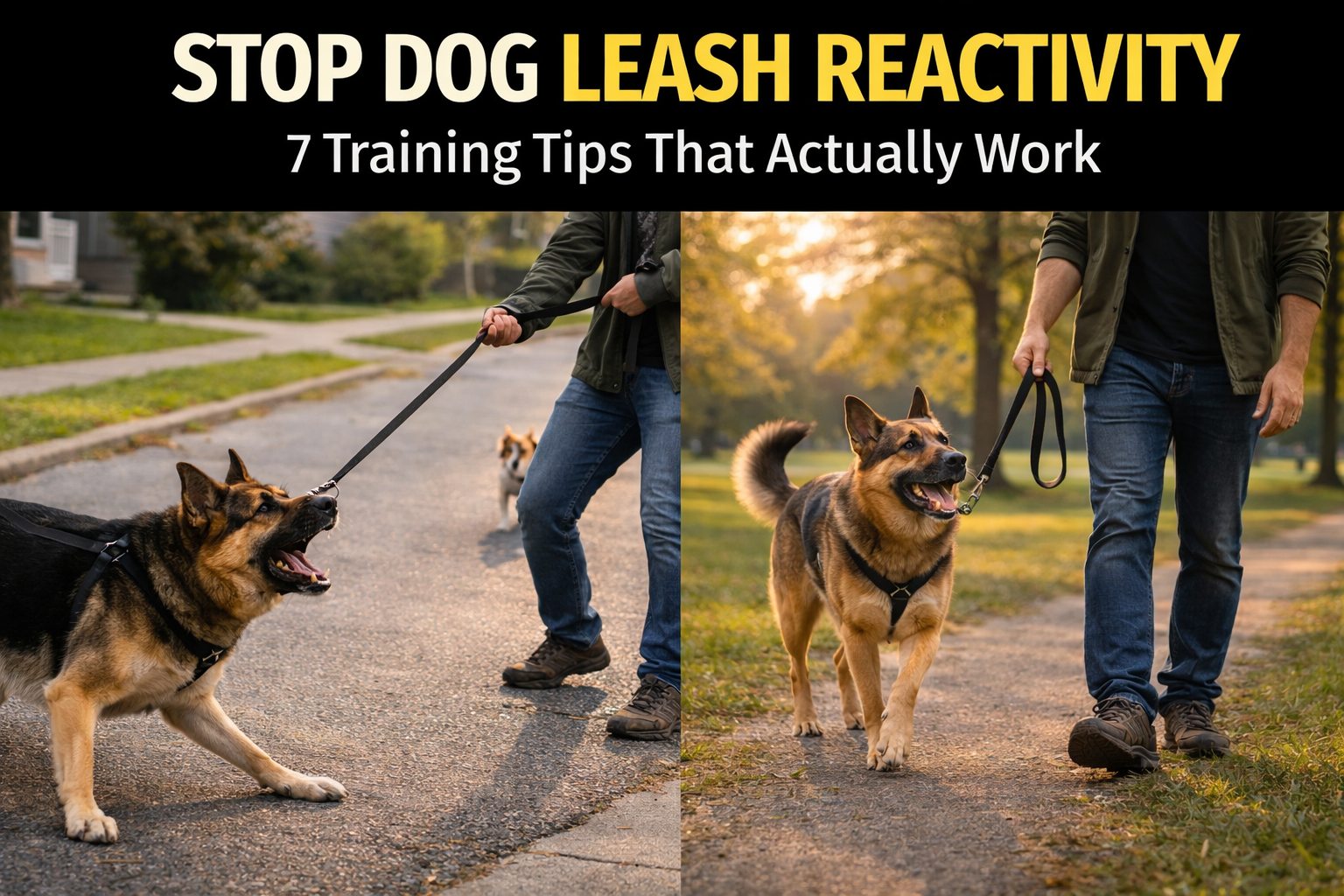
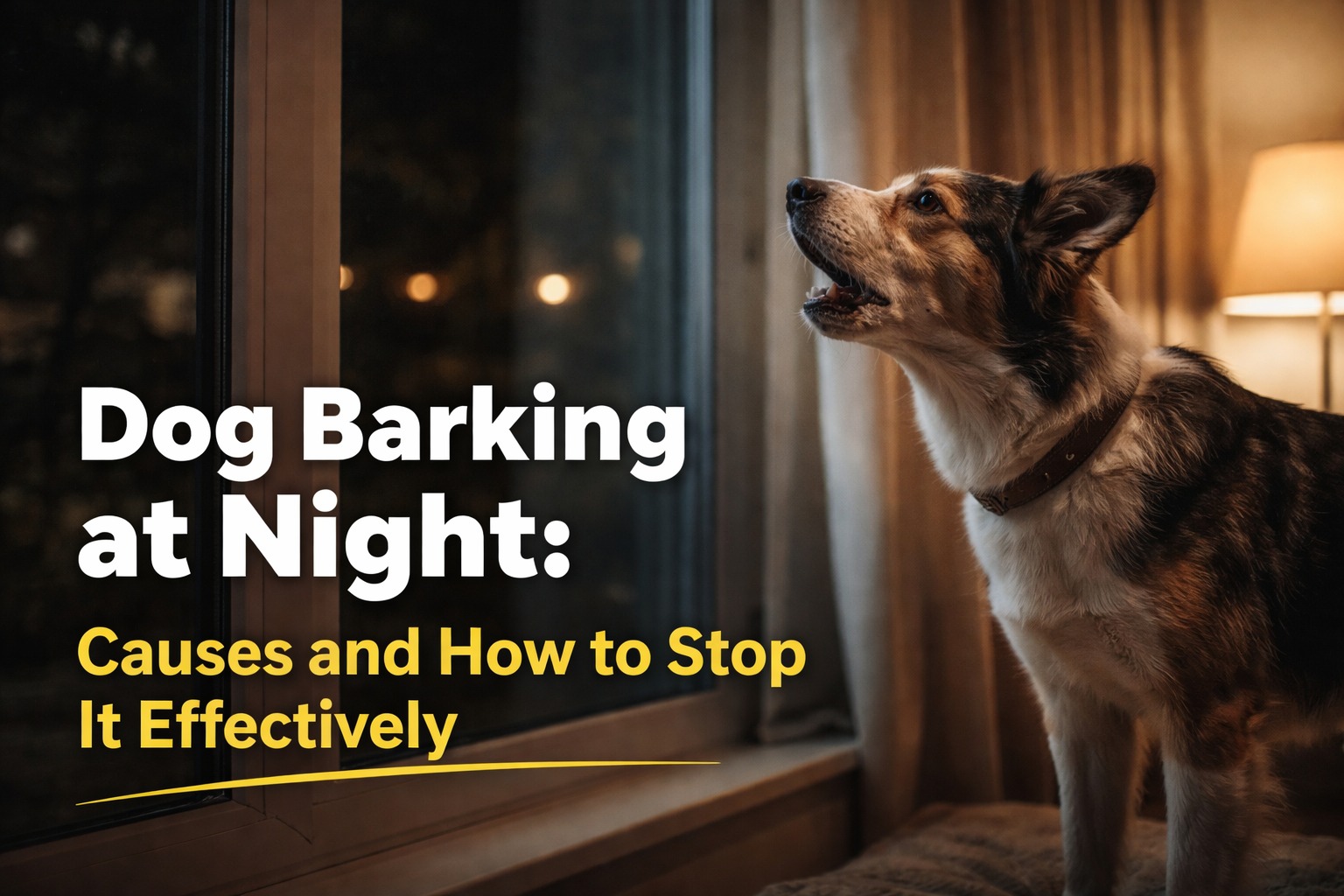
Dog barking at night can quickly turn into a frustrating pattern, especially when it disrupts sleep regularly. While it may seem random, dog barking at night almost always has a specific trigger behind it. Understanding why the behavior occurs is the first step toward effectively resolving it.
Many owners assume nighttime barking is simply bad behavior. In reality, dogs bark to communicate discomfort, alertness, anxiety, or unmet needs. The key is identifying whether the barking is driven by environmental stimuli, emotional stress, learned attention-seeking habits, or underlying medical concerns.
Addressing dog barking at night requires more than telling a dog to be quiet. It involves reading early signals, correcting management mistakes, and applying structured behavior strategies. When the root cause is identified properly, most cases can be reduced significantly with consistent effort.
What Dog Barking at Night Really Means
Before trying to stop the behavior, it is important to understand what dog barking at night represents. Barking is a natural communication tool. It becomes a problem only when it is excessive, repetitive, or triggered by chronic stress.
In many cases, dog barking at night is not about dominance or defiance. It is often a reaction to stimuli that humans may not even notice. Dogs have heightened hearing and smell, allowing them to detect distant sounds or subtle environmental changes that can trigger alert responses.

At other times, nighttime barking reflects an internal state rather than an external trigger. Anxiety, loneliness, boredom, or discomfort can cause a dog to vocalize when the environment becomes quiet, and stimulation decreases. Distinguishing between external and internal triggers helps guide the correct response strategy.
Understanding this difference prevents common mistakes such as punishment or inconsistent reactions. Without identifying the meaning behind dog barking at night, attempts to correct it may temporarily suppress the noise but fail to resolve the underlying cause.
Why Does Dog Barking at Night Happen?
Dog barking at night usually falls into identifiable categories. Pinpointing the correct category allows you to apply a targeted solution instead of guessing.
Environmental Triggers and Heightened Senses
Dogs possess hearing that far exceeds human capability. Passing vehicles, distant barking, wildlife movement, or even wind against a fence can activate alert behavior. When the lights go off and human activity stops, these sounds feel more significant to the dog.
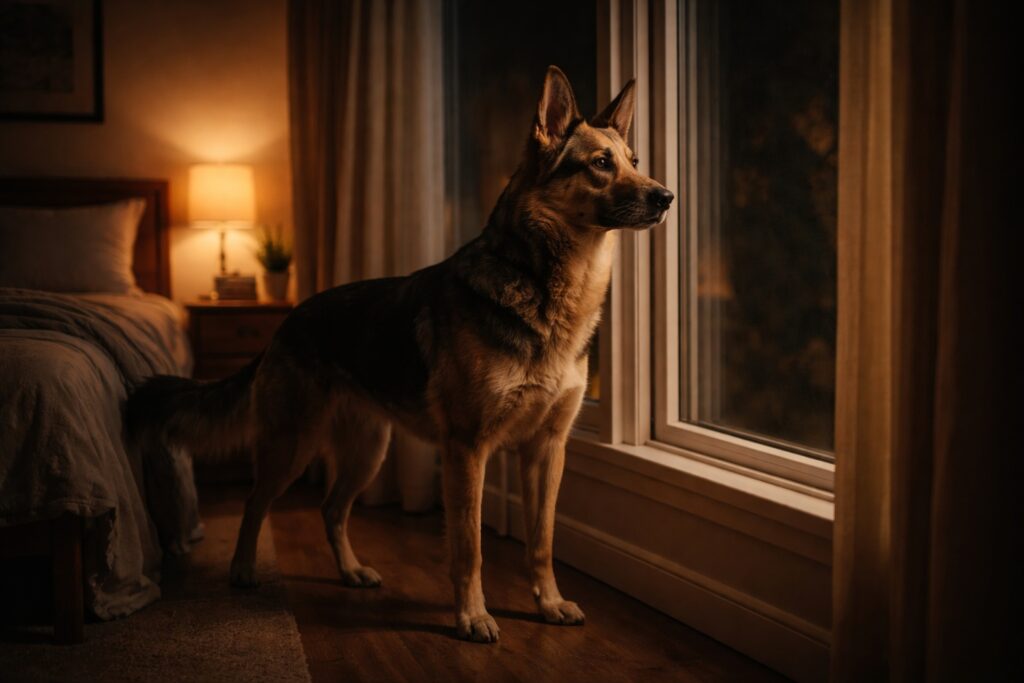
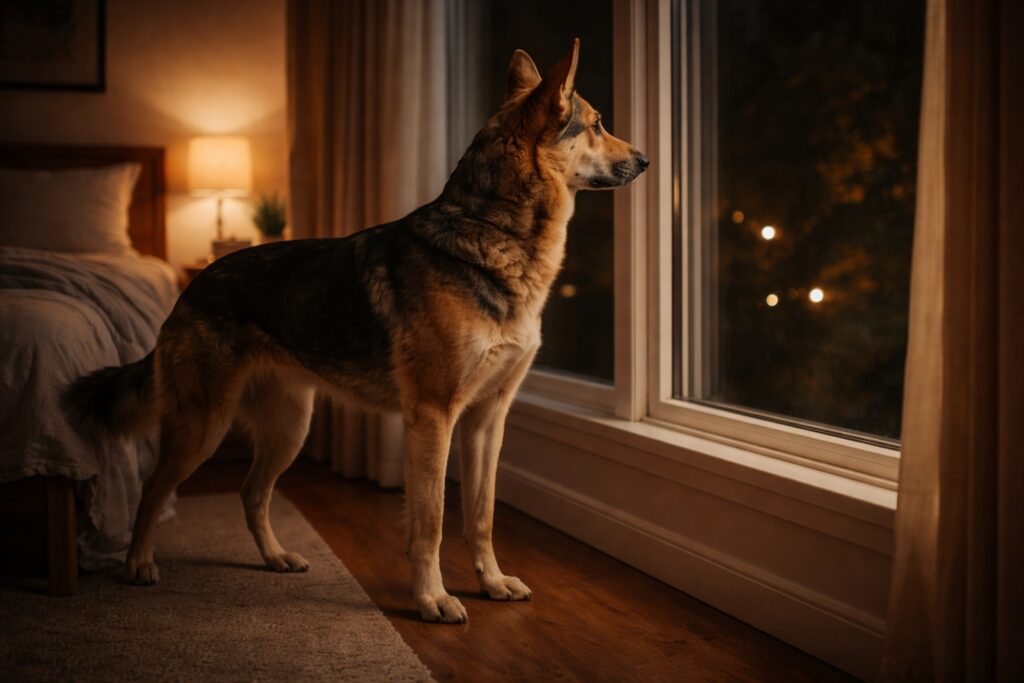
Territorial instincts can intensify this reaction. Some dogs bark to signal awareness or warn perceived intruders. This type of dog barking at night often involves facing windows, stiff posture, or focused attention toward a specific direction.
Anxiety, Fear, and Separation Stress
Emotional triggers are equally common. Dogs that sleep alone after extended daytime companionship may experience mild separation stress. Even subtle routine shifts can increase nighttime anxiety.
Dog barking at night linked to anxiety often includes pacing, whining, or difficulty settling. Storms, unfamiliar environments, or recent household changes can heighten insecurity. Ignoring emotionally driven barking without addressing the cause may worsen the pattern.

Boredom and Unreleased Energy
Physical fatigue does not always equal mental relaxation. Dogs that lack structured exercise or cognitive stimulation during the day may struggle to settle at night. Younger dogs and high-energy breeds are particularly prone to dog barking at night when daily stimulation is insufficient.
Mental enrichment matters. Without structured walks, short training sessions, or problem-solving activities, a dog may remain alert long after bedtime. Restlessness then transforms into vocalization.
Attention-Seeking and Accidental Reinforcement
One of the most overlooked causes of dog barking at night is learned behavior. If barking consistently results in attention, soothing words, or physical presence, the dog associates noise with reward.
Even negative reactions can reinforce the pattern. Dogs learn through repetition. If barking works even occasionally, the behavior strengthens. Over time, dog barking at night becomes a conditioned strategy rather than an emotional response.
Medical Causes and Physical Discomfort
Sudden dog barking at night should always raise the possibility of discomfort. Arthritis, dental pain, digestive upset, or bladder urgency can disrupt sleep. Senior dogs may experience cognitive dysfunction, leading to confusion and nighttime vocalization.
If the barking appears abruptly, increases rapidly, or includes other behavioral changes, veterinary evaluation becomes essential. Addressing medical causes early prevents prolonged stress for both dog and owner.

Early Warning Signs Before Night Barking Escalates
Dog barking at night rarely begins at full intensity. Subtle signals usually appear first. Recognizing them early makes correction easier.
- Restless pacing before bedtime
- Repeated alert scanning toward the windows
- Sudden stiff body posture in quiet moments
- Increased sensitivity to small sounds
- Difficulty settling after the lights go off

Common Mistakes That Make Dog Barking at Night Worse
Owners often strengthen their dog’s barking at night unintentionally. Avoid these mistakes:
- Punishing barking without identifying the cause
- Responding inconsistently to nighttime noise
- Giving attention after prolonged barking
- Ignoring possible medical discomfort
- Expecting immediate behavioral change
How to Stop Dog Barking at Night Safely and Effectively
Correcting dog barking at night requires structured action rather than random adjustments.
Identify and Map Triggers
Observe when barking occurs. Is it tied to a specific time, sound, or location? Tracking patterns clarifies whether the cause is environmental or emotional. Without trigger mapping, training lacks direction.
Create a Controlled Sleep Environment
Reducing exposure to stimuli lowers alert responses. Close curtains, use white noise, and maintain a predictable sleep location. A stable environment reduces unnecessary dog barking at night.
Reinforce Quiet Behavior Correctly
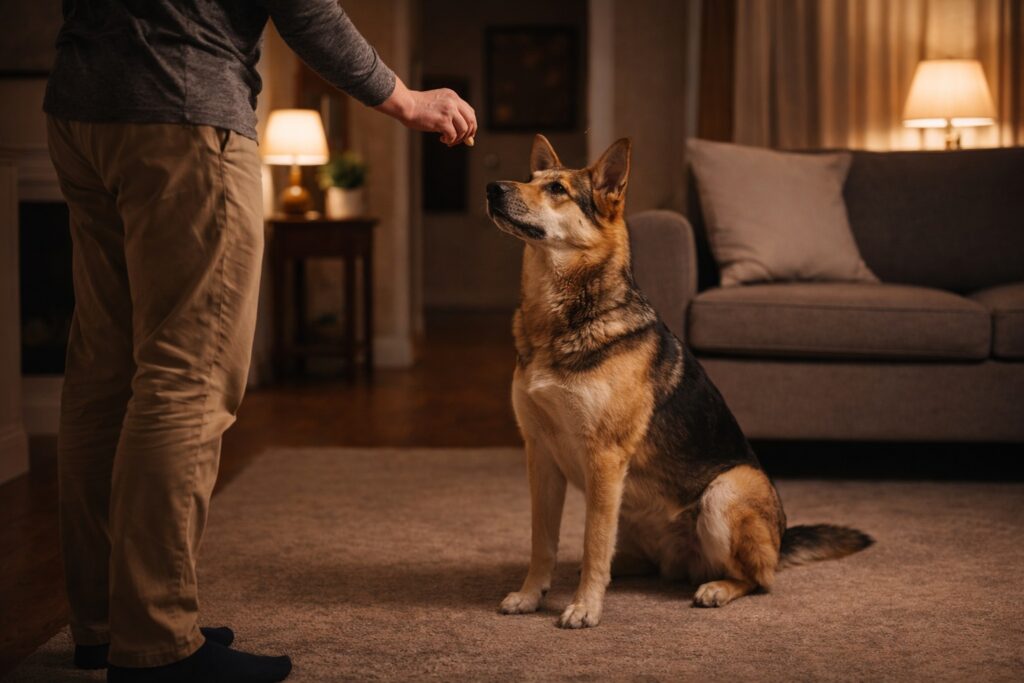
Reward calm behavior before barking begins. Quiet moments deserve recognition. Teaching a structured “quiet” cue during the day builds reliability at night.
Manage Distance and Stimuli
If windows trigger alert barking, reposition the sleeping area. If crate discomfort contributes, adjust placement gradually. Environmental management prevents rehearsal of the behavior.
Build a Calming Bedtime Routine
A short evening walk followed by a low-energy wind-down period signals rest time. Consistency reduces uncertainty. Dogs thrive on predictable structure.
Should You Ignore Dog Barking at Night?
The answer depends on the cause. Ignoring dog barking at night works when the behavior is purely attention-seeking. If no emotional distress or discomfort is present, withholding reinforcement gradually reduces the pattern.
However, ignoring anxiety-driven barking can intensify stress. Medical discomfort should never be ignored. Before choosing to ignore, ensure the behavior is not linked to fear, pain, or a genuine alert response.
Why Is My Old Dog Barking at Night All of a Sudden?
Aging introduces new variables. Senior dogs may develop cognitive dysfunction, similar to confusion in elderly humans. Sleep-wake cycles become disrupted, leading to nighttime vocalization.
Hearing or vision decline can increase startle responses. Chronic pain from arthritis may also make settling uncomfortable. Sudden dog barking at night in older dogs warrants veterinary assessment to rule out underlying causes.
How Long Does It Take to Stop Dog Barking at Night?
Timeline depends on severity and consistency. Mild attention-based dog barking at night may improve within one to two weeks of consistent ignoring and reinforcement correction.
Anxiety-driven barking may require several weeks of gradual desensitization and routine stabilization. Medical causes resolve once treatment begins. Expect temporary increases in barking, known as extinction bursts, when reinforcement patterns change.
When Professional Help Is Necessary
If dog barking at night escalates despite consistent intervention, professional guidance becomes appropriate. Signs that require support include aggressive reactivity, severe anxiety symptoms, self-injury, or persistent disruption beyond several weeks.
Veterinarians rule out medical factors. Certified trainers or behaviorists design structured modification plans tailored to your dog’s triggers.
Can Dog Barking at Night Be Completely Fixed?
In many cases, dog barking at night can be significantly reduced. Complete elimination depends on the cause. Environmental alert barking may never disappear entirely, but it can become manageable.
The goal is not silence at all costs. The objective is emotional stability and predictable behavior. When triggers are understood, management is consistent, and reinforcement is structured, nighttime peace becomes realistic.
Conclusion

Dog barking at night is rarely random behavior. Whether it stems from environmental triggers, anxiety, learned reinforcement, or medical discomfort, the key to resolving it lies in identifying the root cause rather than reacting to the noise itself. When triggers are mapped correctly, solutions become clearer and more effective.
Consistent routines, structured reinforcement of quiet behavior, and careful environmental management can significantly reduce dog barking at night in most cases. Quick fixes and punishment often prolong the issue, while calm, methodical adjustments create lasting change. Patience is essential, especially when breaking learned attention-seeking patterns.
Most importantly, dog barking at night should not be viewed as defiance. It is communication. When you understand what your dog is trying to express and respond thoughtfully, nighttime disruptions can gradually turn into predictable, manageable behavior, allowing both you and your dog to rest more peacefully.