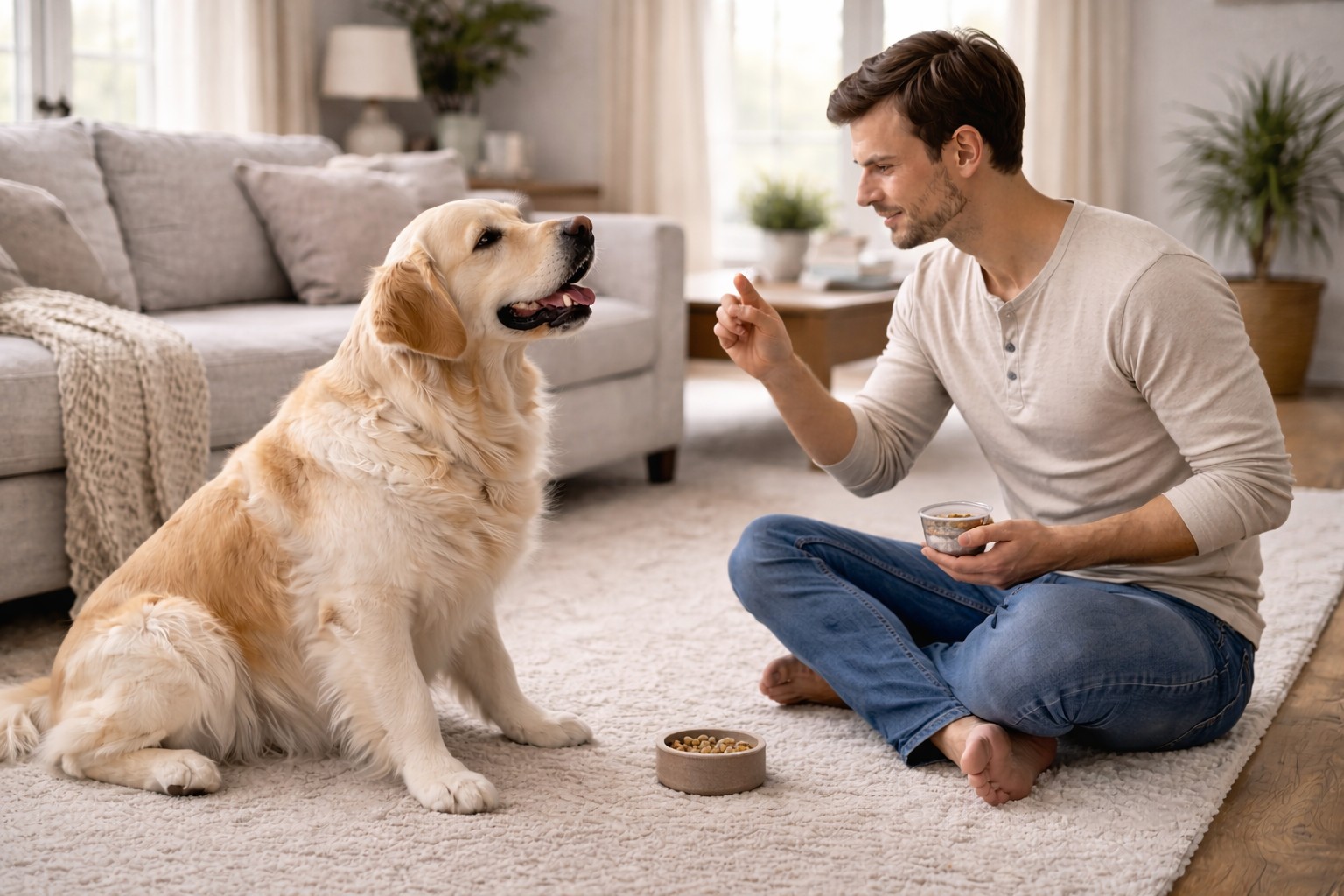
One of the most important things a dog owner can do is learn how to train their dog at home. Training isn’t just about following orders or being obedient; it’s also about building trust, structure, and communication. Dogs are calmer and feel safer when they know what is expected of them. Not all behaviour problems are caused by a dog being stubborn or aggressive; many start because the dog is confused.
Most people think that in order to master something, you need to take professional classes or contract a costly trainer. Actually knowing how to train a dog properly at home often leads to better and longer-lasting results. Dogs spend most of their time at home, so learning in this setting helps behaviours become second nature. Training at home also lets owners fix problems right away instead of waiting for their scheduled sessions.
This article shows you seven ways that really work for training a dog at home. Each method is based on clear communication, consistency, and treating people with respect. These methods help you build obedience, confidence, and a strong bond with your dog, whether it’s a puppy or an adult, without using fear or force.

Understanding Dog Psychology Before Training Starts
It is important to know how to train a dog learn before using any training method. Dogs don’t think as people do. They don’t get long corrections or explanations. They learn by making connections, doing things over and over, and getting emotional feedback.
Many dog owners make the mistake of getting upset when they learn how to train their dog. Dogs don’t learn when you yell, give them the same command over and over, or get angry. Dogs link what they do to what happens. The dog does the same thing again if it makes them feel good or rewards them. Learning slows down when it makes people scared or confused.
Dogs are always learning, even when they aren’t in a formal training session. Your tone, body language, and reactions all say something. A calm and predictable way of doing things helps people learn faster and lowers behaviours that are caused by stress.
1. Creating the Right Training Environment at Home
The environment plays a major role in training success. Dogs are easily distracted, especially in new or noisy areas. Training at home allows you to control distractions and slowly build focus.
A good training environment should be quiet, familiar, and free from interruptions. Training should never start when the dog is overly excited, tired, or anxious. Short and calm sessions produce better results than long sessions filled with corrections.
Understanding how to train a dog starts with preparation. When the environment is right, the dog can focus and understand instructions more clearly.
Why Calm Energy Improves Learning?
Dogs can sense human emotions. The dog reflects the owner’s tension or impatience. When the owner acts calmly, the dog becomes more cooperative and self-assured.
2. Positive Reinforcement as the Core Training Method
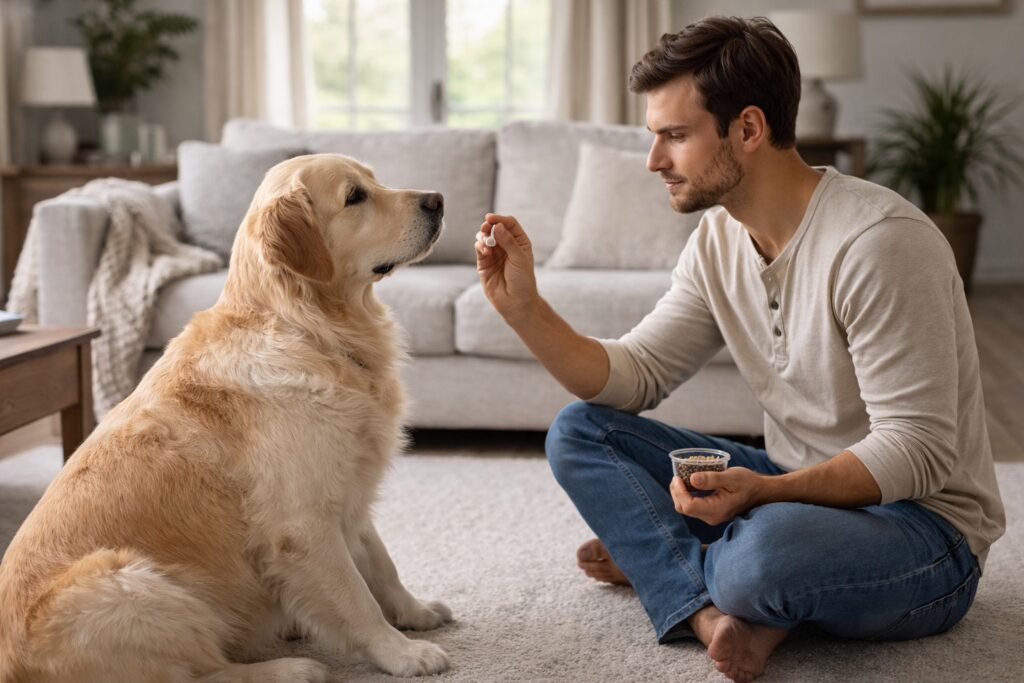
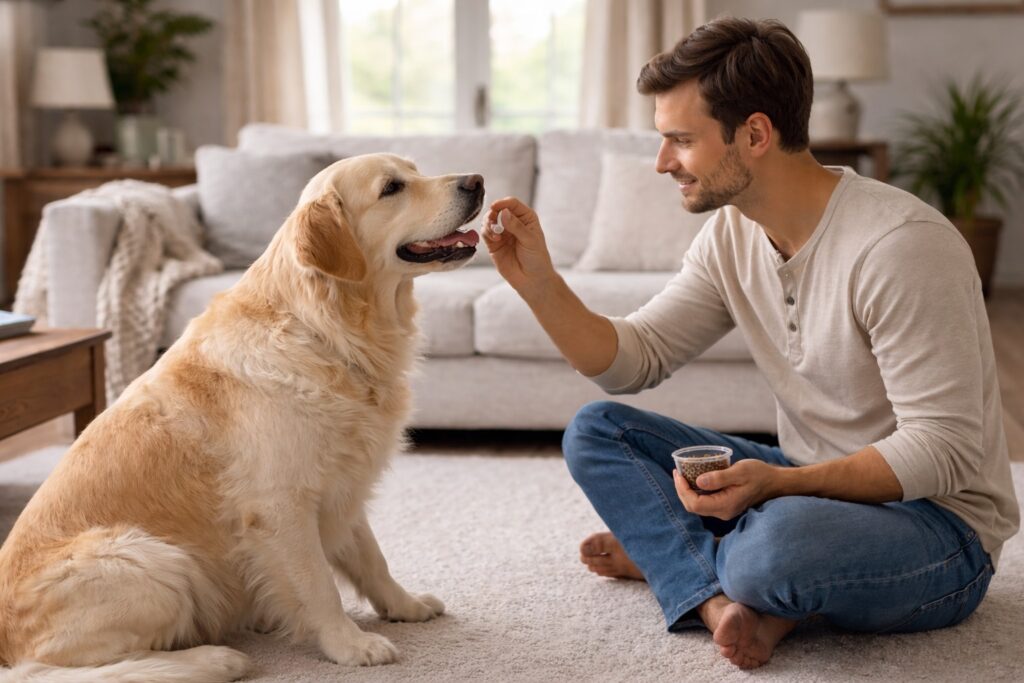
When learning how to train a dog at home, the best approach is positive reinforcement. Instead of penalising errors, this strategy emphasises rewarding good behaviour.
Rewards must have significance for the dog and be administered on schedule. The dog clearly understands what behaviour is being encouraged when it receives the reward right away.
The best kinds of rewards for training are as follows:
- Small portions of food rewards
- Calm verbal compliments
- Mild physical contact
Using incentives fosters trust and confidence. Positively reinforced dogs exhibit fewer fear-based behaviours and are more eager to learn.
3. Teaching Basic Commands with Clear Signals
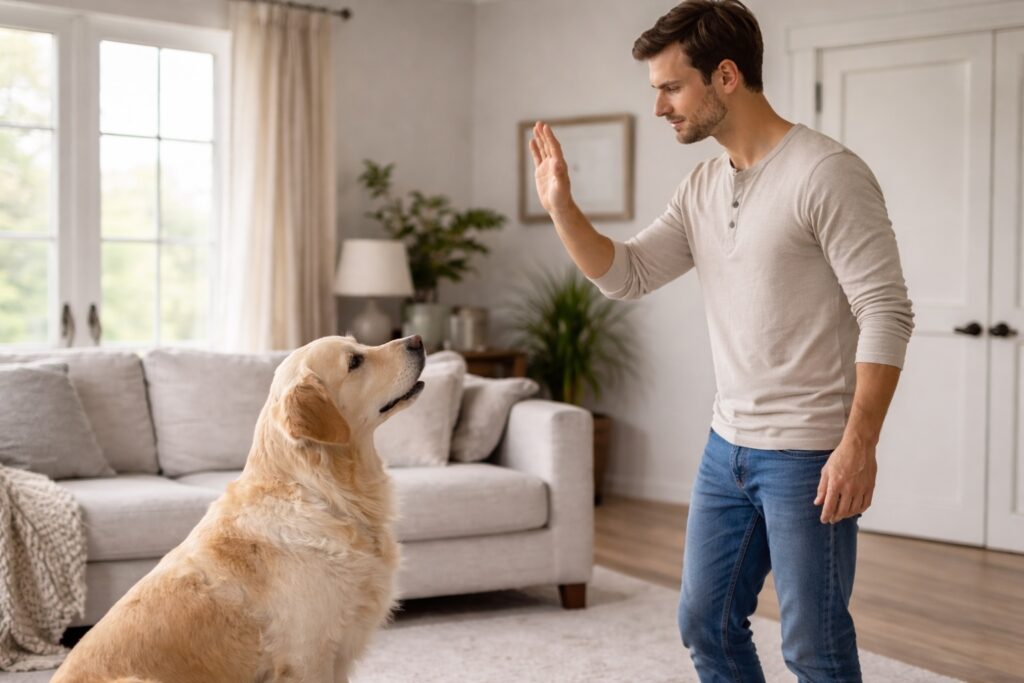
All training is built on a foundation of basic commands. Gaining proficiency in dog training at home requires proper instruction. Instructions ought to be brief, precise, and reliable.
When body language is combined with verbal commands, dogs respond more effectively. Dogs can comprehend and react to clear hand signals more quickly, even in noisy environments. Multiple command repetitions slow down learning because they teach the dog that disobeying the first command is acceptable.
Training sessions ought to concentrate on one command at a time. Repetition in a variety of contexts leads to progress rather than coercion.
Building Command Reliability Over Time
Calm and consistent practice of commands leads to the development of reliability. Dogs don’t need constant correction to develop confidence; they need repeated success.
4. Setting Clear Boundaries Inside the Home
Dogs learn boundaries and expectations through them. Without boundaries, dogs frequently exhibit undesirable behaviours or anxiety. Teaching a dog where it can go, how to behave, and what routines look like are all part of learning how to train a dog.
Boundaries should be calmly and consistently enforced. Dogs are confused by mixed rules, which also impede training. Dogs behave more consistently and feel safer when rules are predictable.
Boundary areas that require clarification include:
- Areas for sleeping
- Mealtime habits
- Furniture interaction
Boundaries give dogs structure, which promotes relaxation, rather than imposing restrictions.

5. Managing Unwanted Behaviour Without Punishment
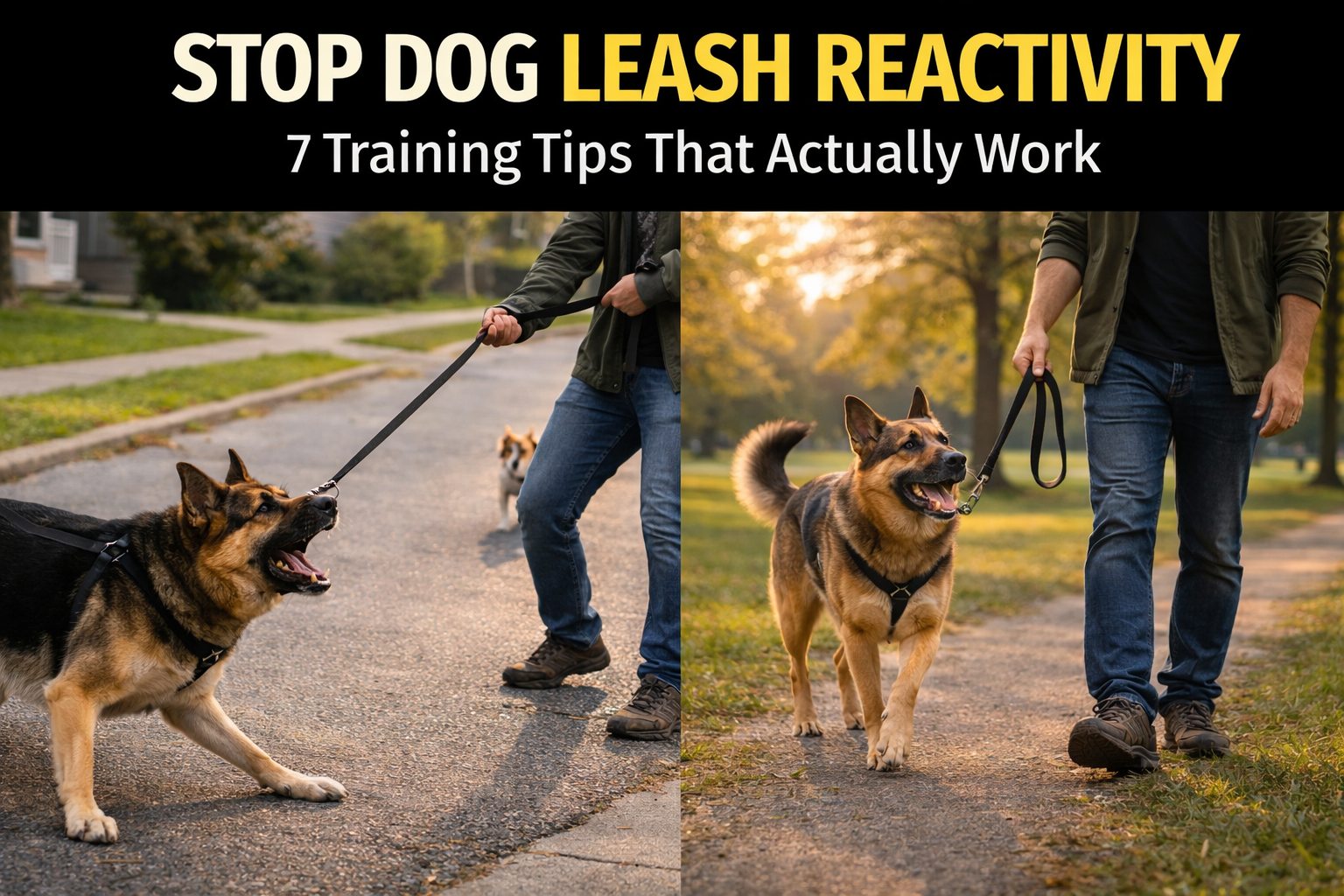
Unwanted behaviours are frequently typical dog behaviours that are misinterpreted. Barking, chewing, or jumping are typically signs of excitement, boredom, or a lack of direction.
Punishment should be avoided when learning how to train a dog. Fear and confusion brought on by punishment frequently result in more issues. Instead, the dog learns acceptable behaviour through calm redirection.
Clarity takes the place of confusion when behaviour is redirected. This method lowers stress levels and speeds up dog learning.
Why Redirection Is More Effective Than Force
Natural learning patterns are in line with redirection. Replacement behaviours are easier for dogs to comprehend than corrections based on punishment.
6. Socialisation Through Everyday Home Experiences
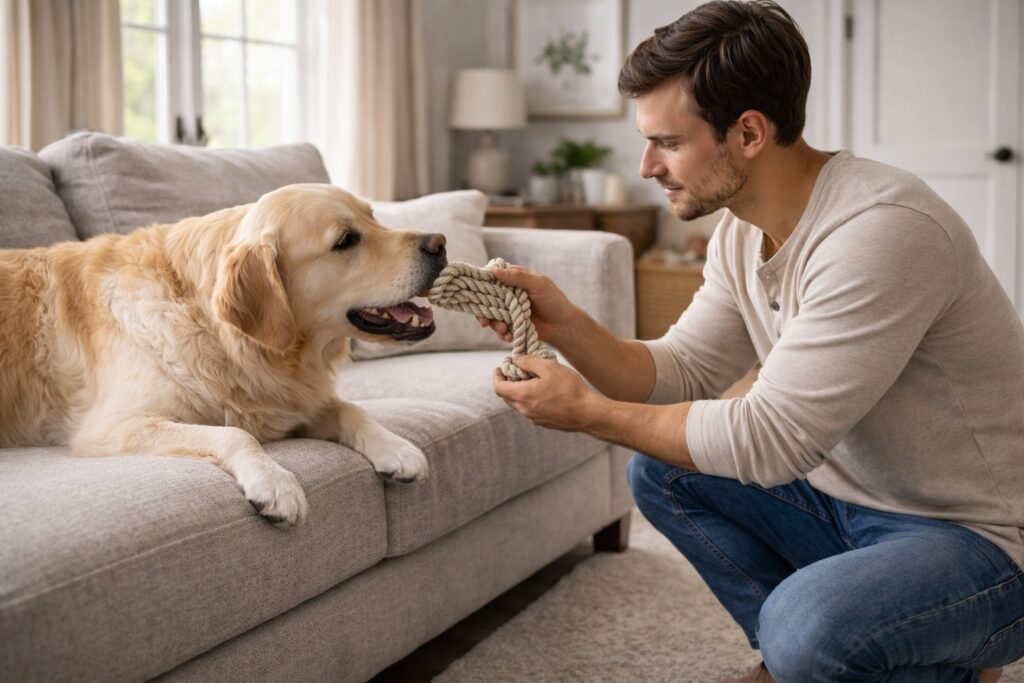
Dogs that have been socialised are more relaxed and flexible. It doesn’t need crowded spaces or busy parks. Exposure at home is an important part of training.
Helping a dog deal calmly in everyday situations is part of learning how to train a dog. Fear reactions are lessened, and confidence is increased with gradual exposure to people, sounds, and routines.
Socialisation should always be constructive and regulated. Dogs that are overexposed may become overwhelmed and make slower progress.

7. Consistency and Patience for Long-Term Results
The most crucial element in successful training is consistency. Dogs love consistency. Learning is quicker and more dependable when guidelines, instructions, and responses are consistent.
Knowing how to train a dog requires a daily commitment to reinforcement. Once a behaviour is mastered, training never ends. Behaviours that are reinforced remain robust and dependable.
It’s not always a straight line. Even though there will be slow days, consistent effort always yields results.
Why Home Dog Training Sometimes Fails
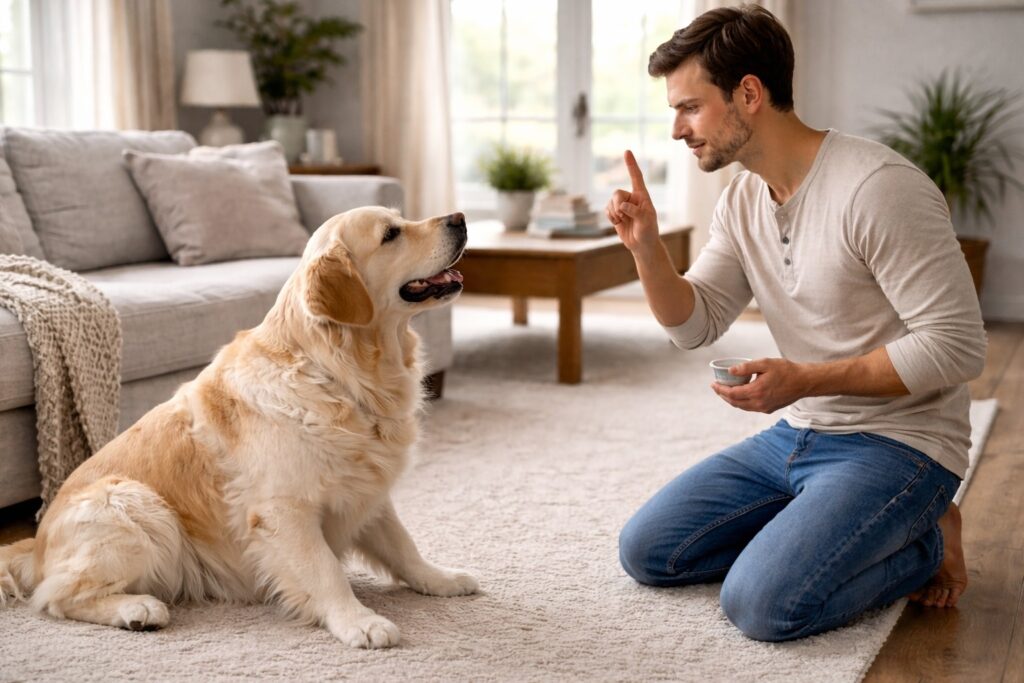
Unrealistic expectations are a common cause of training failure. Many owners give up too soon because they expect immediate results.
Inconsistency, emotional responses, or a lack of routine are typical problems. Acknowledging these difficulties prevents frustration and improves comprehension of how to train a dog successfully.
Improvement, not perfection, is the key to training success.

How Long Does It Take to Train a Dog at Home?
Age, temperament, and consistency all affect training schedules. Although they may pick things up quickly, puppies require constant reinforcement. If they are patient, adult dogs can learn just as well.
It’s not about speed when learning to train a dog. It is about developing enduring habits and dependable behaviours in day-to-day living.
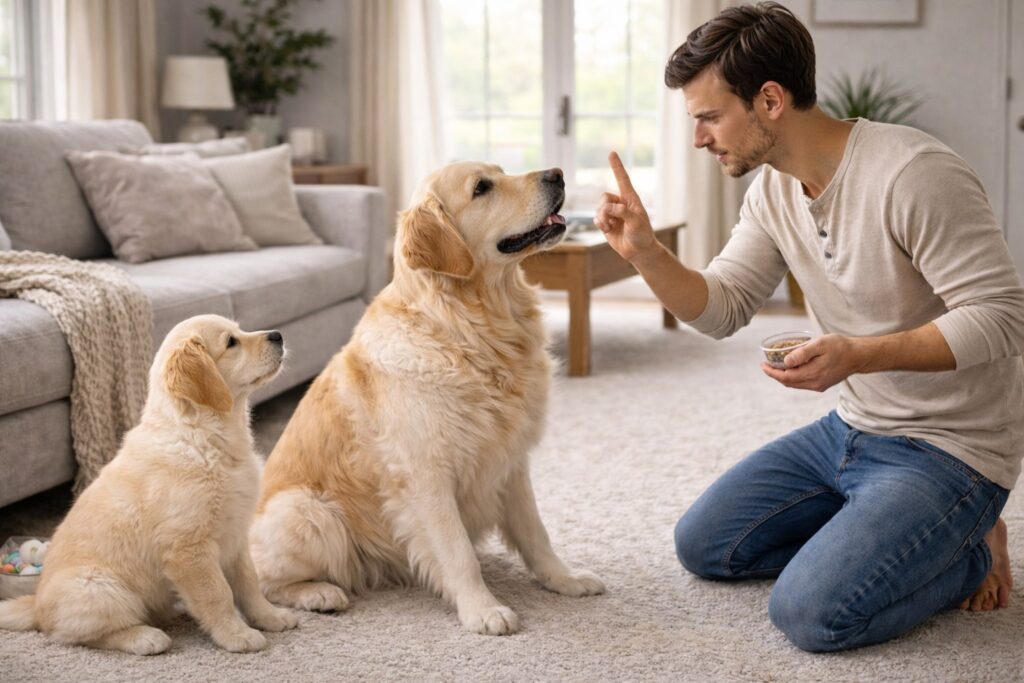
How to train your dog at home step by step?
Start with simple commands like sit and come. Use positive rewards such as treats or praise. Keep training short and daily, stay consistent, train in a quiet space, and remain patient and calm for the best results.
What is the 3-3-3 rule for dog training?
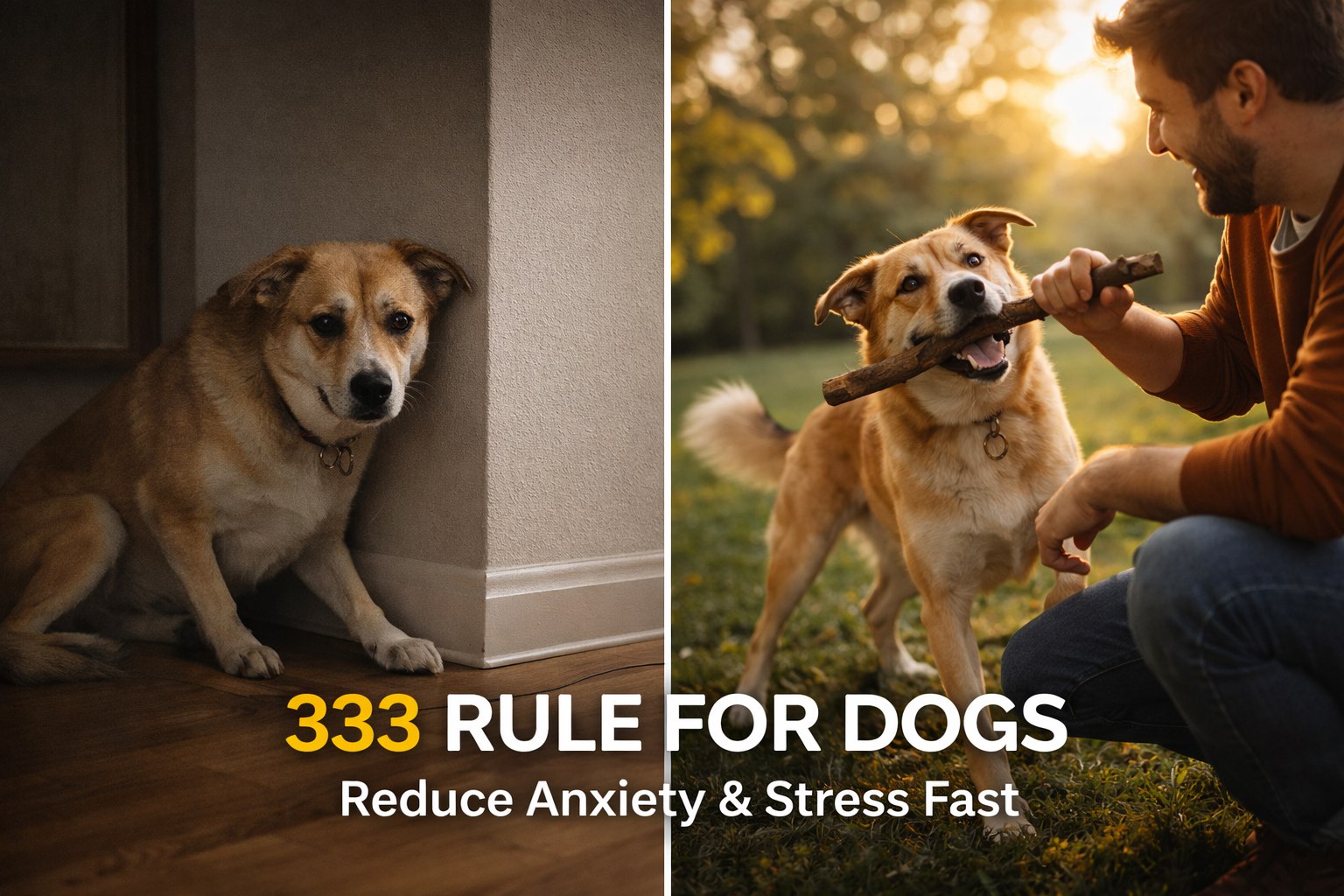
The 3-3-3 rule explains a dog’s adjustment period in a new home. In the first 3 days, the dog may feel scared or confused. During the first 3 weeks, the dog starts learning routines and basic training. After 3 months, the dog feels safe, builds trust, and shows real behaviour.
What are the 5 D’s of dog training?
The 5 D’s of dog training are Distance, Duration, Distraction, Difficulty, and Diversity factors that trainers adjust to improve a dog’s obedience step by step.
What are the five golden rules of dog training?
The five golden rules of dog training are be consistent, use positive reinforcement, train regularly, keep sessions short, and stay patient and calm.
Conclusion
Learning how to train a dog at home is a steady process that requires patience, clarity, and consistency. The best technique of training a dog is one in which methodology and nature go side by side, and the dog’s emotional needs are met. The more distinct the instructions are, and the fewer emotional reactions there might be, the more confident dogs become in being obedient in any simple circumstances.
Through these seven set-and-forget methods outlined in this guidebook, dog owners can reduce problem behaviours and construct dependable obediencedog owners do not have to use fear or force. This allows dogs to learn at home, while at the same time incorporating learned behaviours into daily life, since the location of learning has become natural to their existence. With time, such practice strengthens trust, communication, and ultimately helps a dog become well-behaved and fit naturally into the home.