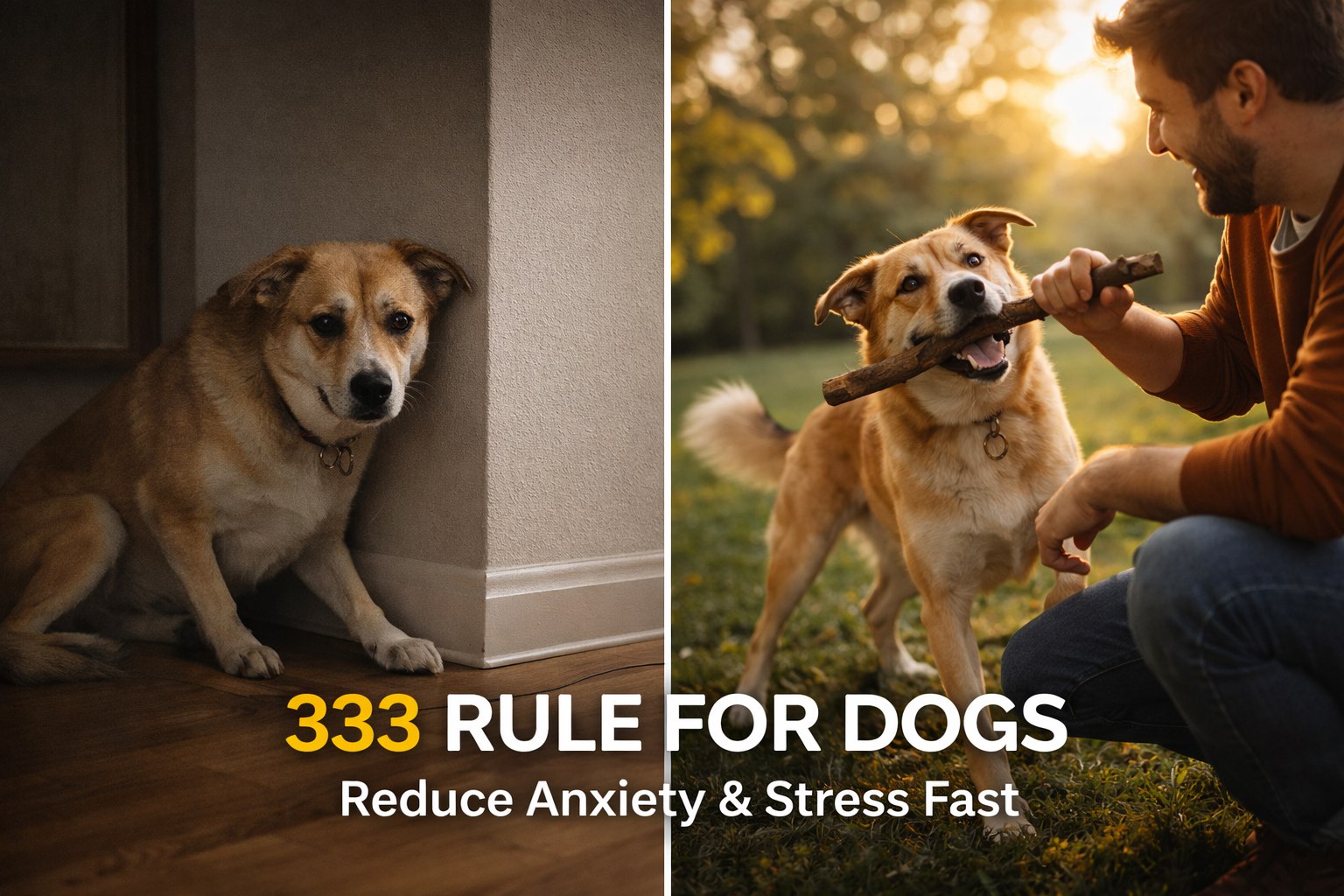
Taking a new dog home sounds exciting, but the reality can be very different. Your dog may hide, ignore you, refuse food, or act nervously for no clear reason. This is where most owners start worrying. The truth is, this behaviour is normal. Your dog is not misbehaving; it is changing. The 333-rule dog framework helps you understand this transition so you don’t panic or make the situation not as good as.
When you know what your dog is going through, you stop reacting warmly and start behaving correctly. Instead of forcing a connection or rushing training, you give your dog the space and structure it needs. That is exactly how anxiety reduces, and trust builds naturally over time.
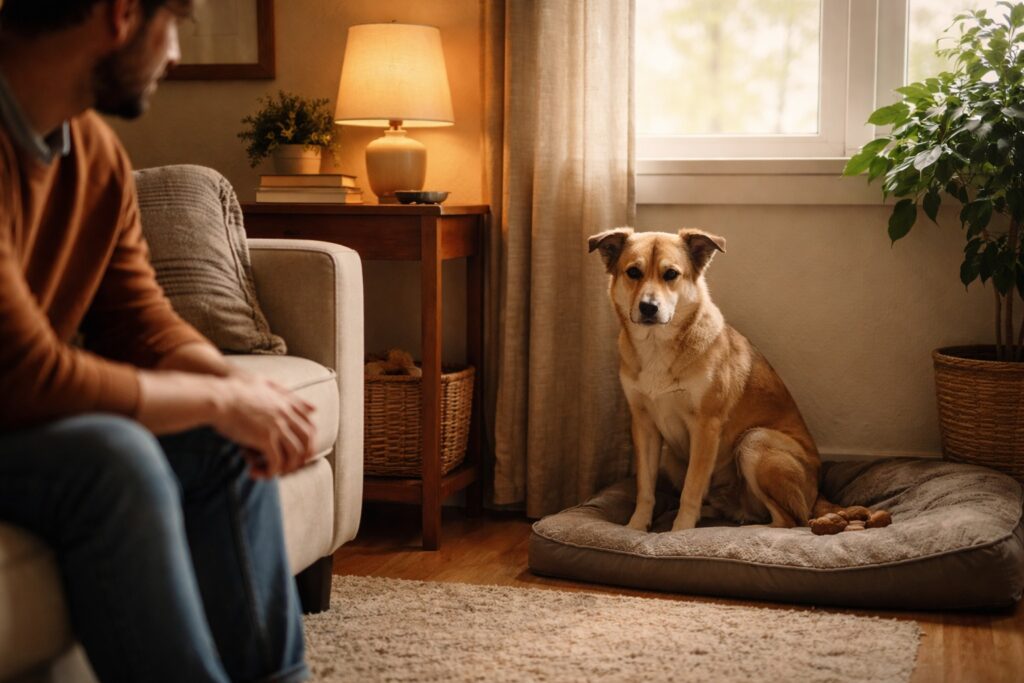
What Is the 333 Rule for Dogs?
The 333 rule is a simple guide that explains how a dog adjusts to a new home over time. It breaks the transition into three stages:
- First 3 days → dog feels overwhelmed and unsure
- First 3 weeks → dog starts learning routine
- First 3 months → dog becomes comfortable and settled
This rule helps you set realistic expectations. Instead of expecting instant bonding, you understand that adjustment happens step by step. Every dog moves at a different pace, but this structure gives you a reliable baseline.
What the 333 Rule Dogs Timeline Really Means
Here’s the part most people misunderstand. The 333 rule is not a fixed timeline. It is a psychological adjustment process. Your dog is not counting days. It is reacting to safety, routine, and trust.
In the beginning, your dog is in survival mode. It does not know if this new place is safe. As days pass and routines become predictable, your dog starts relaxing. By the time a few months pass, your dog begins to show its real personality.
What this really means is simple. If you push too fast, you slow the process down. If you allow gradual adjustment, you speed it up. The focus should never be on time. It should be on creating a stable and low-stress environment.
The 3 Phases Explained: What Your Dog Feels at Each Stage
First 3 Days: Shock, Stress, and Decompression
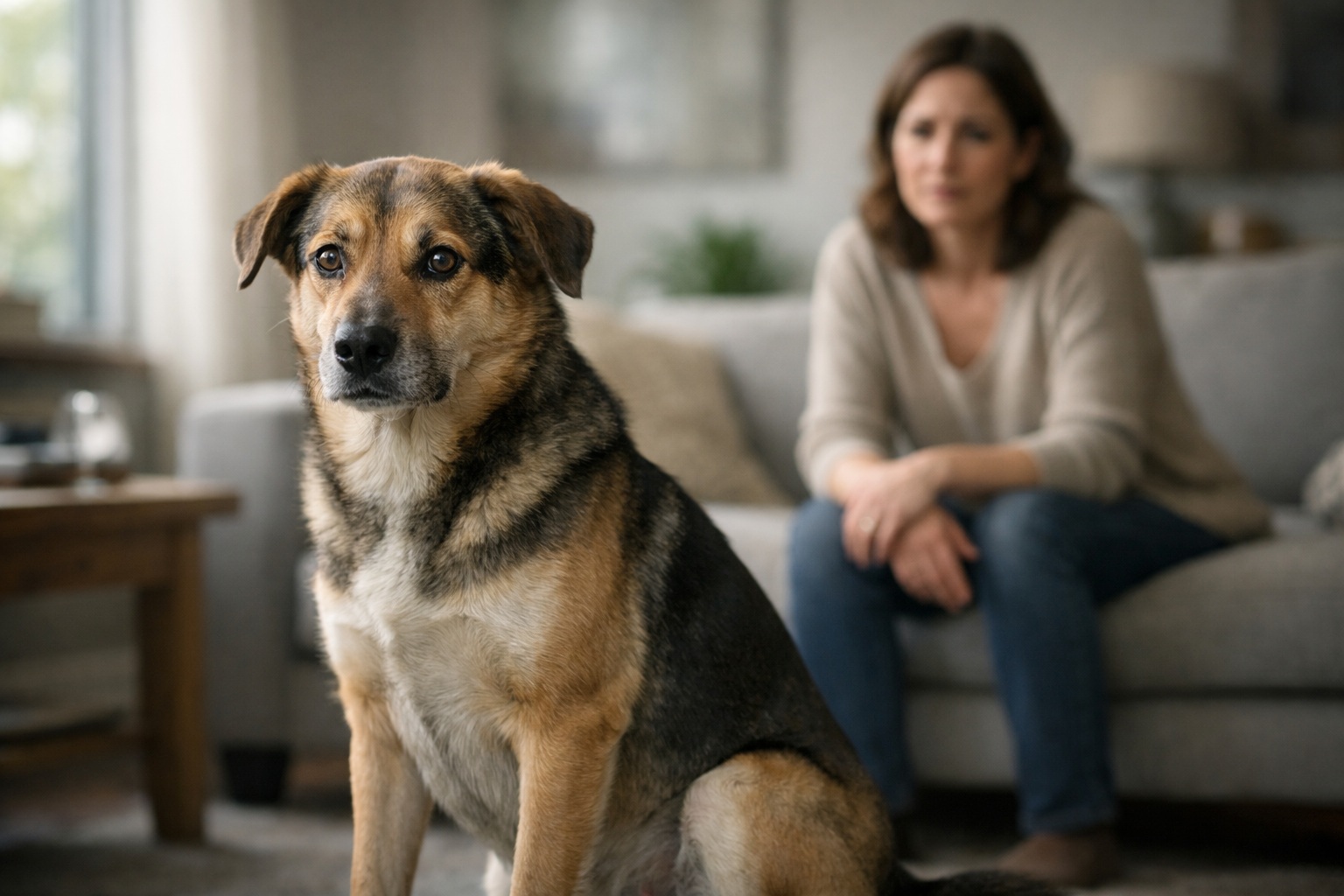
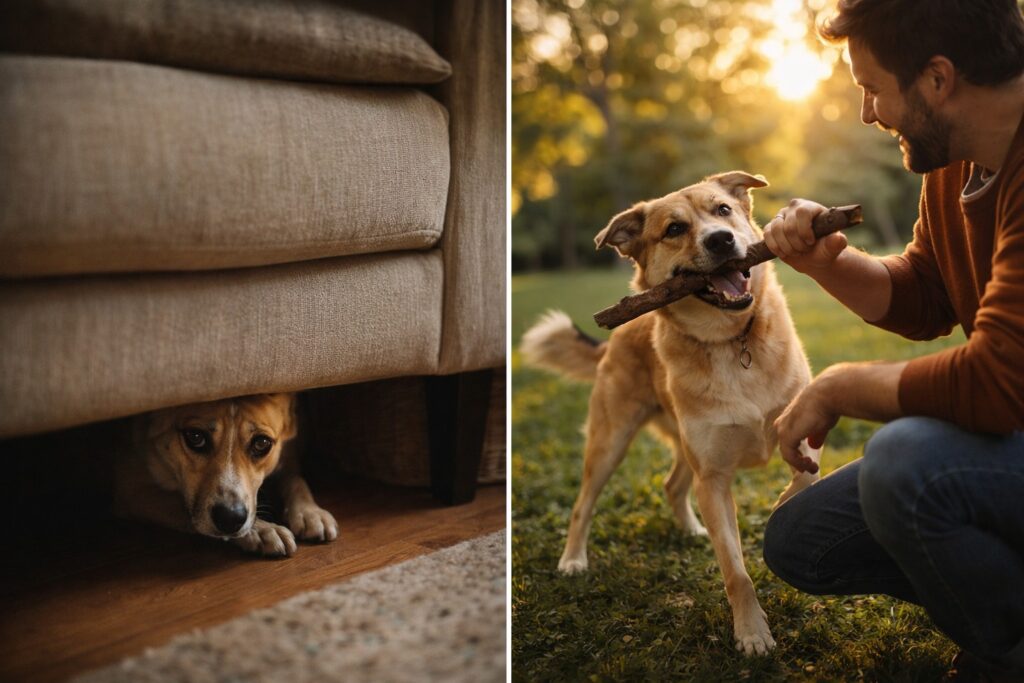
During the first few days, your dog is overwhelmed. Everything is new, from smells to sounds to people. You may notice hiding, lack of appetite, or hesitation to interact. This is not bad behaviour. It is stress.
Your role here is not training. Your role is stability. Keep things quiet, avoid too many people, and let your dog observe its surroundings without pressure. The less you push, the faster your dog starts feeling safe.
First 3 Weeks: Learning Routine and Building Trust
After a couple of weeks, your dog begins to understand daily patterns. Feeding time, walks, and your presence start making sense. You may see small improvements like reduced hiding or more curiosity.
This is where trust starts forming. Your dog is watching how consistent you are. If routines stay stable, confidence builds. If things keep changing, stress continues.
First 3 Months: Confidence, Comfort, and Stability
By this stage, most dogs begin to feel at home. Their true personality starts showing. You will notice more playfulness, better response to commands, and relaxed behaviour.
This does not mean everything becomes perfect. Some habits still need training, but the foundation of trust is now strong. This is where real progress begins.
How to Apply the 333 Rule Dogs Method in Real Life
What to Do in the First 72 Hours
Keep everything simple. Limit movement around the house, avoid guests, and create a quiet space where your dog can rest. Let your dog approach you instead of forcing interaction. Even small pressure at this stage can increase anxiety.
What to Focus on During the First 3 Weeks
Start building a routine. Feed at the same time, walk at the same time, and keep interactions predictable. You can begin basic commands, but keep sessions short and stress-free.
What to Reinforce by the 3-Month Mark
Now you can expand your dog’s world. Introduce new environments, social situations, and more structured training. Confidence grows when exposure is controlled and positive.
How to Reduce Anxiety and Stress During Each Phase
Anxiety does not go away on its own. It reduces when the environment feels predictable and safe. Your dog needs consistency more than anything else.
Create a fixed routine so your dog knows what to expect. Avoid loud environments in the early days. Introduce new experiences slowly instead of all at once. Calm behaviour from you also matters. Dogs read your energy, and if you stay relaxed, they settle faster.
Common Mistakes That Make Dog Anxiety Worse
Most problems come from rushing the process. Owners often try to socialise too early, introduce too many people, or expect quick obedience. This creates confusion and stress.
Another mistake is inconsistency. Changing routines or rules makes it harder for your dog to understand expectations. Forcing interaction is also a major issue. Trust cannot be forced. It has to be built gradually.
Normal vs Concerning Behaviour: When You Should Worry
Some behaviours are completely normal. Hiding, low appetite, and hesitation are expected in the beginning. These usually improve with time.
However, if extreme fear, aggression, or health issues continue for weeks without improvement, it may require professional help. The key is to observe patterns, not react to single moments.
How Long Does It Really Take a Dog to Adjust?
Every dog is different. Some adjust faster, others take longer. The 333 rule gives a general structure, but it is not exact.
What matters is consistency. Dogs that experience stable routines and low pressure adjust faster than those exposed to constant changes.
Simple Daily Routine to Help Your Dog Settle Faster
A predictable routine reduces anxiety faster than anything else. Feed your dog at fixed times, keep walk schedules consistent, and maintain a calm environment.
Short, regular interactions work better than long, overwhelming sessions. Over time, this routine becomes a signal of safety for your dog.
Final Thoughts on the 333 Rule Dogs Approach
The biggest shift you need to make is this. Stop expecting instant results. Your dog is not being difficult. It is adjusting to a completely new life. When you respect that process, everything becomes easier.
The 333 rule dogs are not just a timeline. It is a mindset. It teaches you patience, consistency, and awareness. When you follow it correctly, anxiety reduces naturally, and your dog starts trusting you faster.
In the end, it is not about controlling your dog. It is about creating an environment where your dog feels safe enough to be itself.
Conclusion
Changing to a new home is a big change for any dog, and in the family way direct well-being only creates more stress. The 333-rule dog background gives you a clear way to understand what your dog is going through and how to respond at each stage. When you focus on patience, consistency, and a calm environment, your dog naturally begins to relax and trust you.
The key is simple. Don’t rush the method. Let your dog adjust at its own pace while you provide structure and comfort. Over time, those small, consistent actions turn into strong attachment, well-behaved behaviour, and a confident, happy dog.